SWAN did not begin with a strategic plan, an office or an international programme. It began because we could see people in our own community struggling to afford food and felt that we had to do something about it.
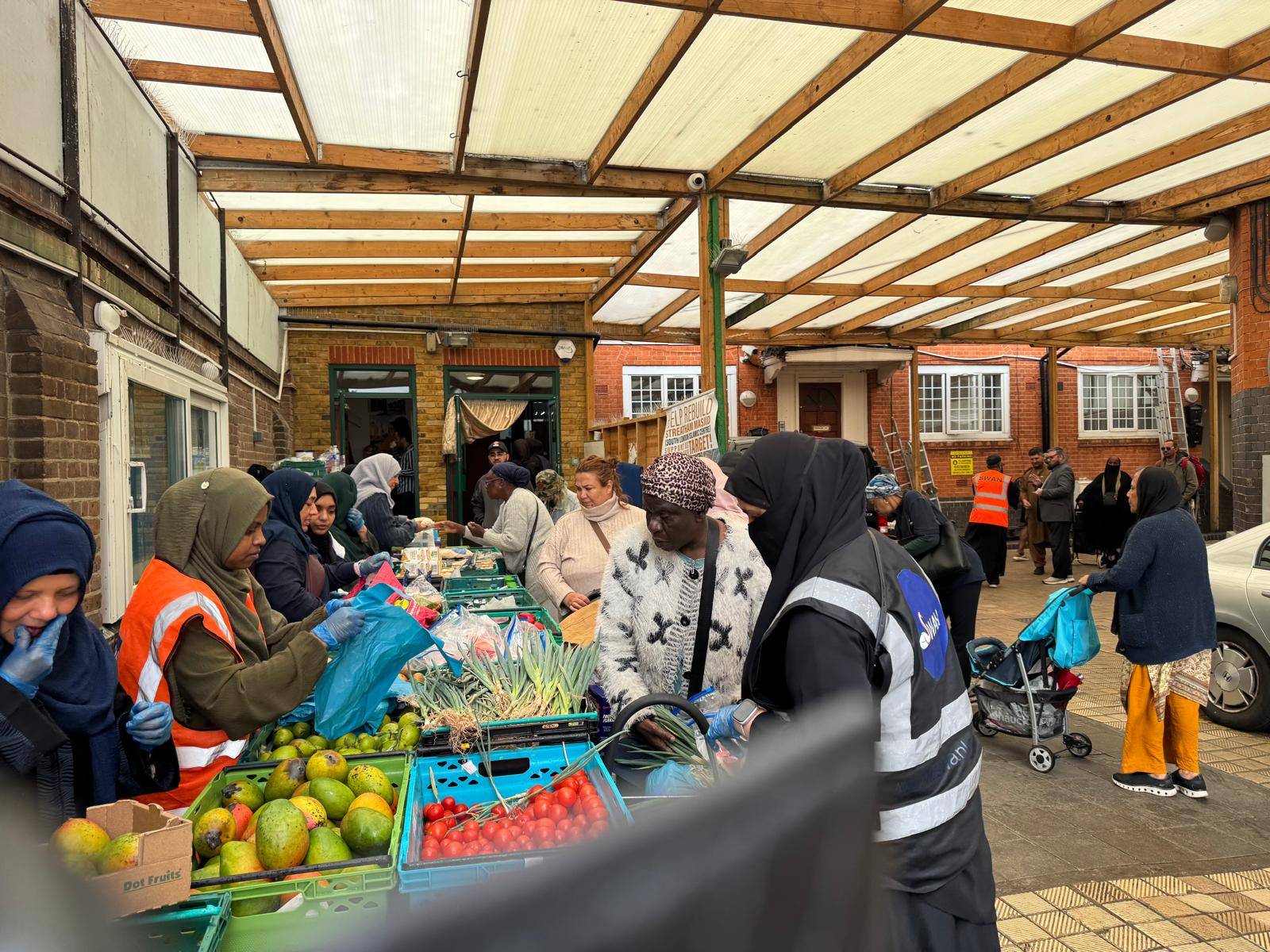
In 2012, we started what was then a small grassroots food bank in South London. Food poverty wasn't an abstract social-policy issue to us. It was affecting real families living around us, and the response in those early days was very simple: collect what we could, organise ourselves and make sure people had food.
I don't think any of us involved at the beginning imagined what that work would eventually become.
Starting with what was in front of us
There is something quite special about grassroots organisations because they often begin without very much at all. There may be no large grant, communications department, paid staff or five-year strategy. Someone sees a problem and decides that something needs to be done.
For us, that problem was food poverty. But as we got to know the families we were supporting, it quickly became apparent that poverty rarely exists neatly in isolation. Someone struggling to buy groceries might also be dealing with insecure housing, unemployment, domestic abuse, immigration issues, loneliness or poor mental wellbeing.
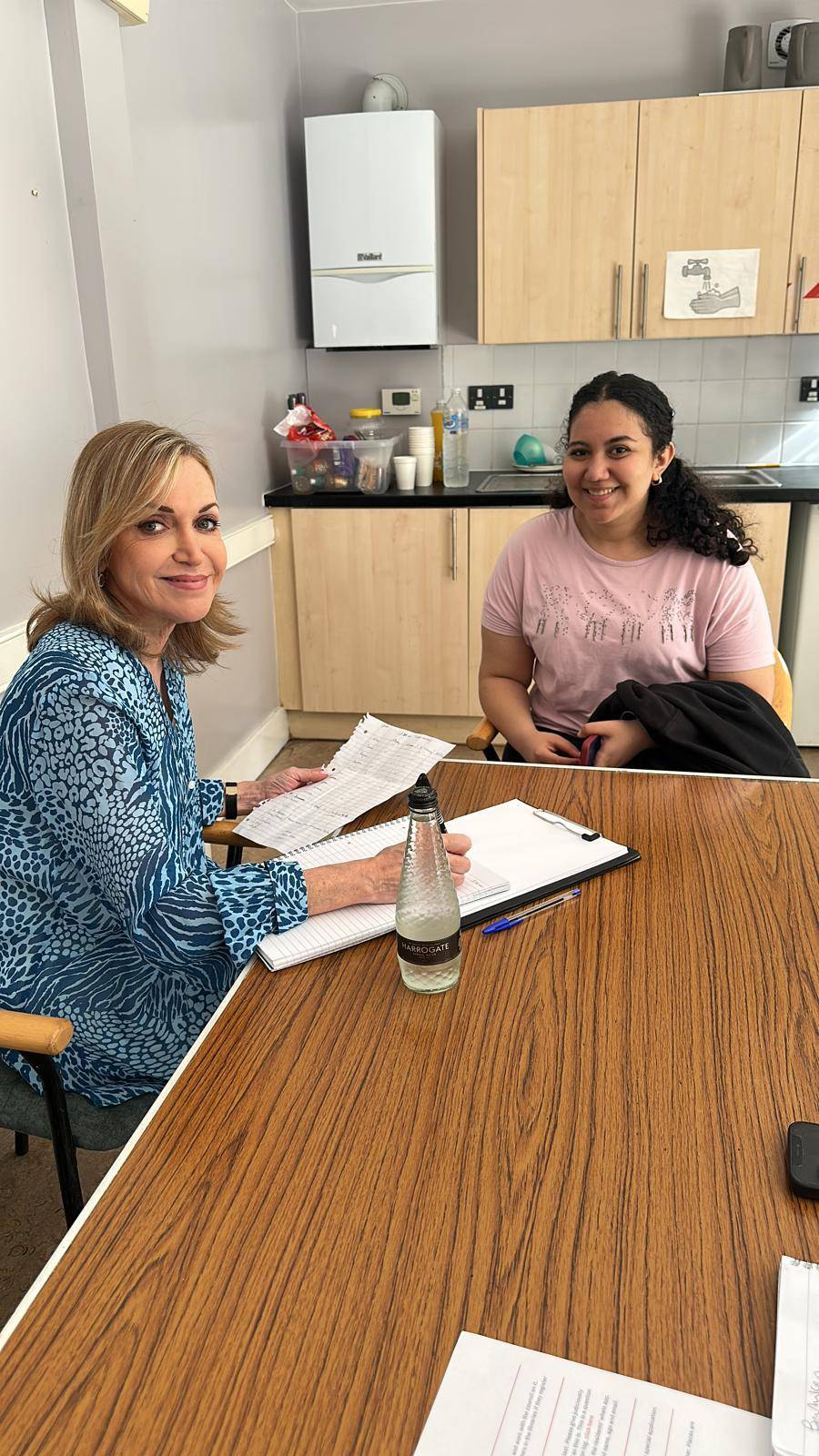
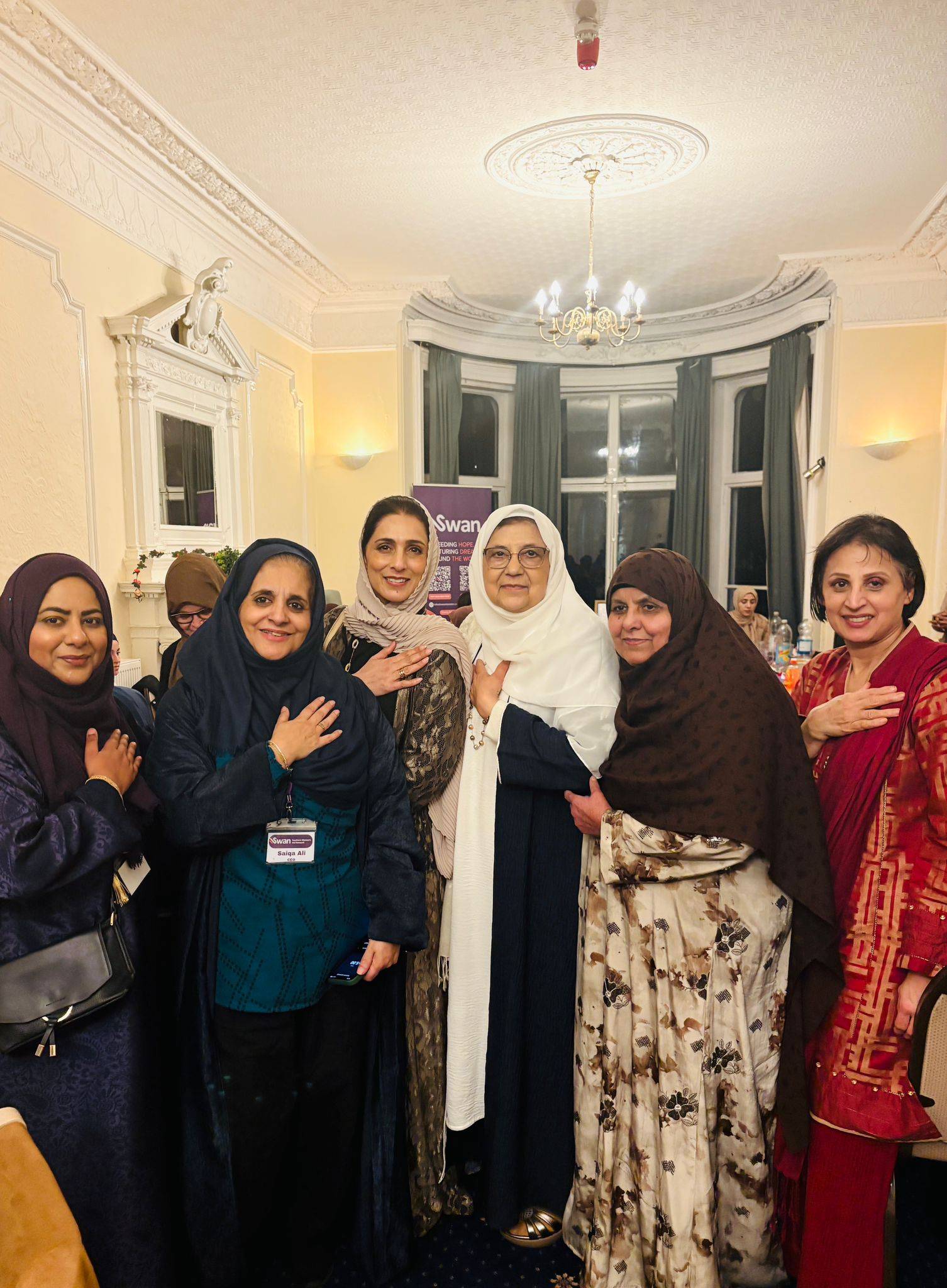
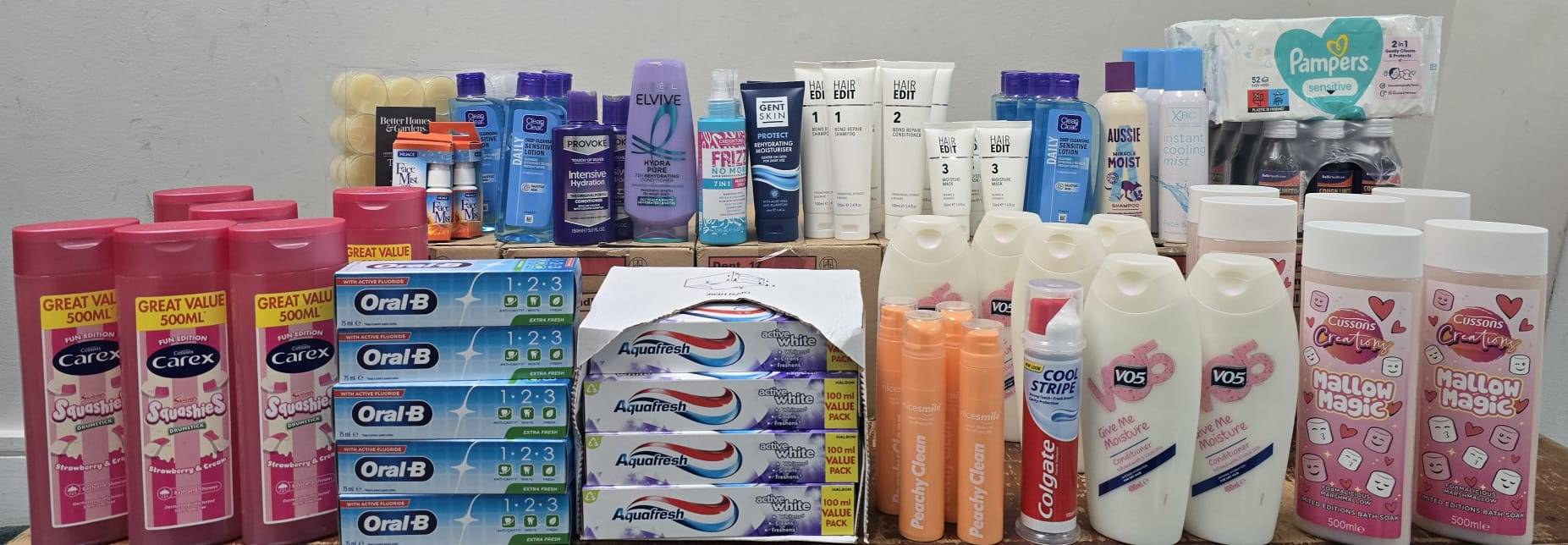
A newly arrived refugee family might need food, but they may also have moved into a property with almost nothing in it and need bedding, kitchen equipment and all the ordinary household things most of us take for granted. A woman attending a community programme may need practical assistance, but she may also desperately need friendship, confidence and a space where she feels that she belongs.
Our work therefore developed because the people we supported taught us what was needed.
When Covid changed everything
The Covid pandemic tested community organisations everywhere. For us, one thing was very clear: the people who depended on food support did not suddenly stop needing it because we could no longer operate in the normal way. In many cases, they needed us more.
We therefore adapted. When people could not safely come to us, we took food parcels to their homes. It required more organisation and a different way of working, but stopping altogether was never really an option.
That period taught me an important lesson about charity leadership. Organisations exist to fulfil a purpose, not simply to preserve a particular programme or way of working. When circumstances change, we have to be willing to change too.
Becoming SWAN
SWAN formally became a registered charity in 2020, but by then there were already years of community experience behind us. Registration gave us an opportunity to build stronger structures around something that had grown organically.
As our relationships and networks developed, we also became increasingly involved in humanitarian work internationally. The scale changed enormously and so did the complexity, but many of the questions remained surprisingly similar. What does this community actually need? Who understands that need best? What can we realistically do? How do we make sure the support reaches the right people? And how do we do all of that responsibly?
Today SWAN's work encompasses humanitarian relief, food security, clean water, healthcare, education, support for displaced communities, women's empowerment and sustainable livelihoods across a number of countries.
Education has become particularly important to me. Children affected by conflict and poverty can lose months or years of learning through circumstances completely beyond their control. Providing food and shelter may protect a child today, but education is one of the things that can protect their future.
The same applies to women's economic empowerment. Emergency assistance will always be necessary in a crisis, but wherever possible I want us to create opportunities that allow women and families to become more independent rather than remaining dependent on charitable assistance indefinitely.
We are still a South London charity
One thing I feel particularly strongly about is that international growth should never mean forgetting the community where SWAN began.
We continue to work in South London addressing food insecurity, poverty, refugee support, women's wellbeing and social isolation. Our longstanding food provision remains an important part of who we are because it keeps us connected to the realities people are facing here at home.
I have never believed that humanitarianism should be defined purely by geography. A family struggling with food poverty in London deserves to be treated with dignity just as a family displaced by conflict overseas does. The circumstances may be very different, but compassion should not have borders.
What I have learned from the journey
When I look back at SWAN's journey, I am reminded how much can grow from a relatively simple act of community service. You do not necessarily need enormous resources to begin making a difference. Sometimes you simply need to notice what is happening around you and be prepared to respond.
Of course, as an organisation grows, good intentions are not enough. You have to develop systems, strengthen governance, improve financial controls, learn from mistakes and surround yourself with people who bring skills you may not have yourself. Growth brings responsibility, and charities have to be prepared for that.
But I also think organisations can become so focused on systems and structures that they lose sight of why those structures exist in the first place. For SWAN, the answer has always been people: families experiencing poverty, women rebuilding their lives, children needing education and communities trying to recover from circumstances they did not choose.
SWAN is a very different organisation from the small community food bank we started in 2012. I am proud of that growth, but I also hope we never become too large or too formal to remember where we came from.
Because sometimes meaningful change really does begin very simply. You see that somebody needs help, and you decide not to walk past.
Author note: Saiqa Hamid is the Founder and CEO of SWAN, a UK registered charity working across humanitarian relief, food security, education, women's empowerment and sustainable development.