When a humanitarian crisis happens, our instinct is often to ask what we can send, how quickly we can raise money and what practical support is needed. These are important questions, particularly when people need food, water, shelter or medical care immediately. But after more than a decade of working in community and humanitarian settings, I have come to believe there is another question we should ask much earlier: who is already there?
In almost every community there are people and organisations who were doing the work long before a crisis appeared in the headlines. They understand the language, culture, geography and sensitivities of the communities they serve. They know which families are particularly vulnerable and, importantly, people know and trust them. When international attention eventually moves elsewhere, they are usually the people who remain.
This is one of the reasons I believe so strongly in locally led humanitarian action.
Local communities are not simply beneficiaries
There can sometimes be an assumption in humanitarian work that expertise travels from wealthier countries to poorer ones. My experience through SWAN has taught me something quite different. The people closest to a humanitarian crisis frequently possess extraordinary knowledge, capability and resilience. What they may not have is access to the funding and international networks that would allow them to respond at the scale required.
Our responsibility should not automatically be to arrive and take over. Sometimes the most useful thing an organisation like SWAN can do is identify good people already doing the work, carry out the appropriate due diligence, listen to what they tell us is needed and then provide the resources that allow them to do more of it.
This approach has shaped much of SWAN's international work. We work with trusted local organisations and community networks because they understand their communities in ways that we simply cannot from London. That does not mean handing over money and hoping for the best. Localisation and accountability have to exist alongside one another.
As a charity, we have responsibilities to our donors, regulators and, most importantly, the people our funding is intended to support. Partner due diligence, safeguarding, financial controls, sanctions screening, monitoring and reporting are essential. The challenge is to make those systems rigorous without creating such complicated barriers that capable grassroots organisations are excluded simply because they do not look like large international NGOs.
Dignity must remain at the centre
One of the things I try never to forget is that humanitarian aid is ultimately about individual people. Behind every figure in a report is somebody with a history, family, ambitions and dignity.
A mother receiving a food parcel does not stop being a mother with hopes for her children because she needs help feeding them. A displaced child does not stop needing education because their family has lost their home. A widow experiencing poverty may need immediate financial or food assistance, but she may also want the opportunity to earn an income and support her own family.
This is why SWAN's work increasingly connects emergency relief with education, empowerment and sustainability. There will always be circumstances where immediate aid has to come first. If people are hungry, they need food. If a community has no safe water, it needs water. If families have been displaced, shelter and safety are urgent priorities.
But once that immediate need has been addressed, we should also be asking what happens next. Can we help someone create a livelihood? Can a child return to education? Can a woman develop skills or access resources that increase her independence? Can the local organisation we are working with become stronger and better equipped to respond in the future?
Those questions matter because good humanitarian work should not create unnecessary dependency. Wherever circumstances allow, it should help people regain control over their own lives.
What South London taught me about humanitarian work
My understanding of humanitarian work did not actually begin overseas. It began in South London.
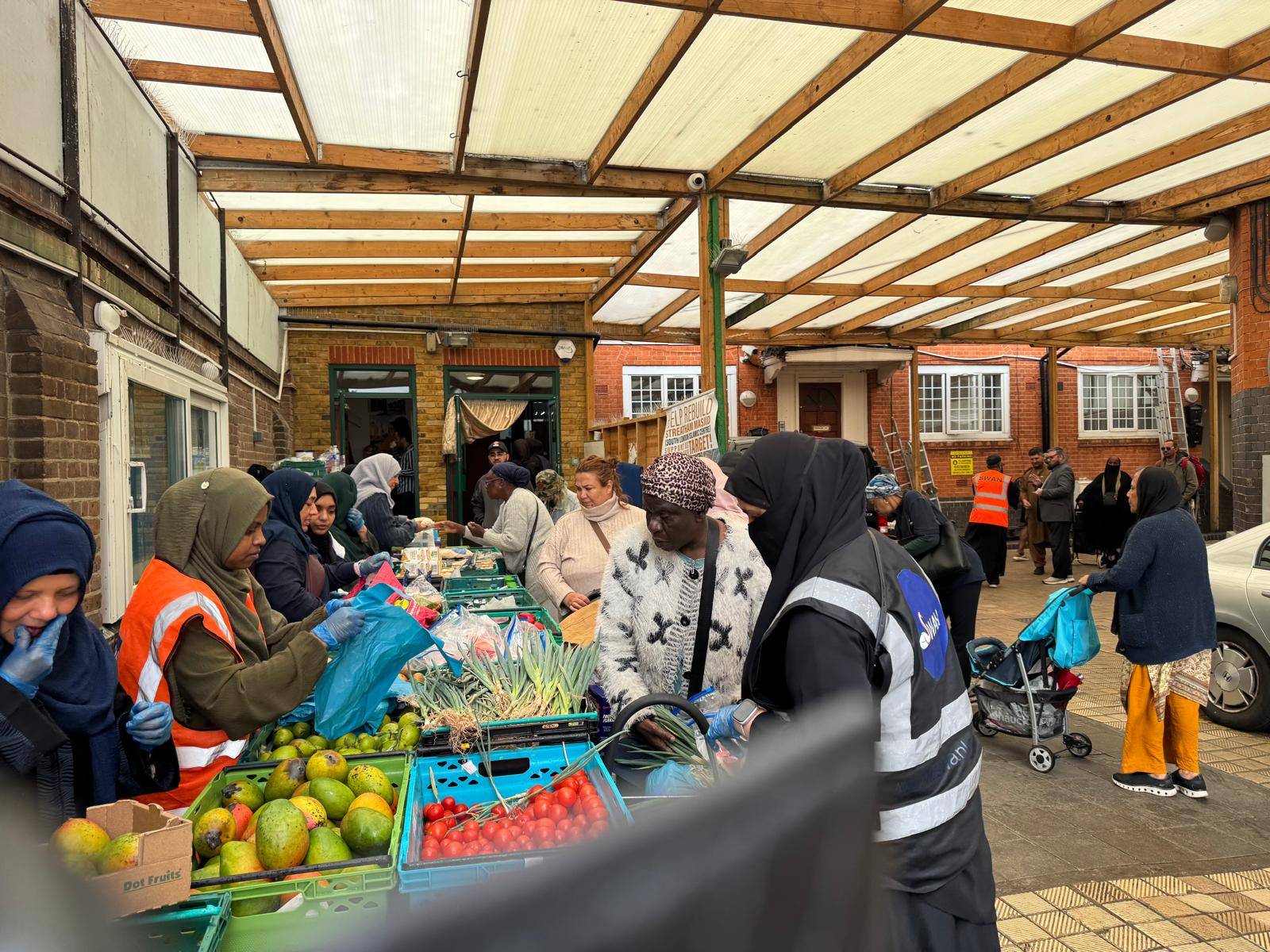
In 2012, the community initiative that eventually became SWAN began supporting local families experiencing food poverty. The circumstances were obviously very different from responding to conflict or displacement internationally, but the basic principle was remarkably similar: recognise a need, listen to the people experiencing it, protect their dignity and mobilise the community to respond.
During the Covid lockdowns, when our normal way of providing food support was no longer possible, the need did not disappear. We adapted and delivered food parcels to people's homes instead. That experience reinforced something that has stayed with me: organisations have to be flexible enough to respond to people's actual circumstances rather than expecting people to fit neatly into our programmes.
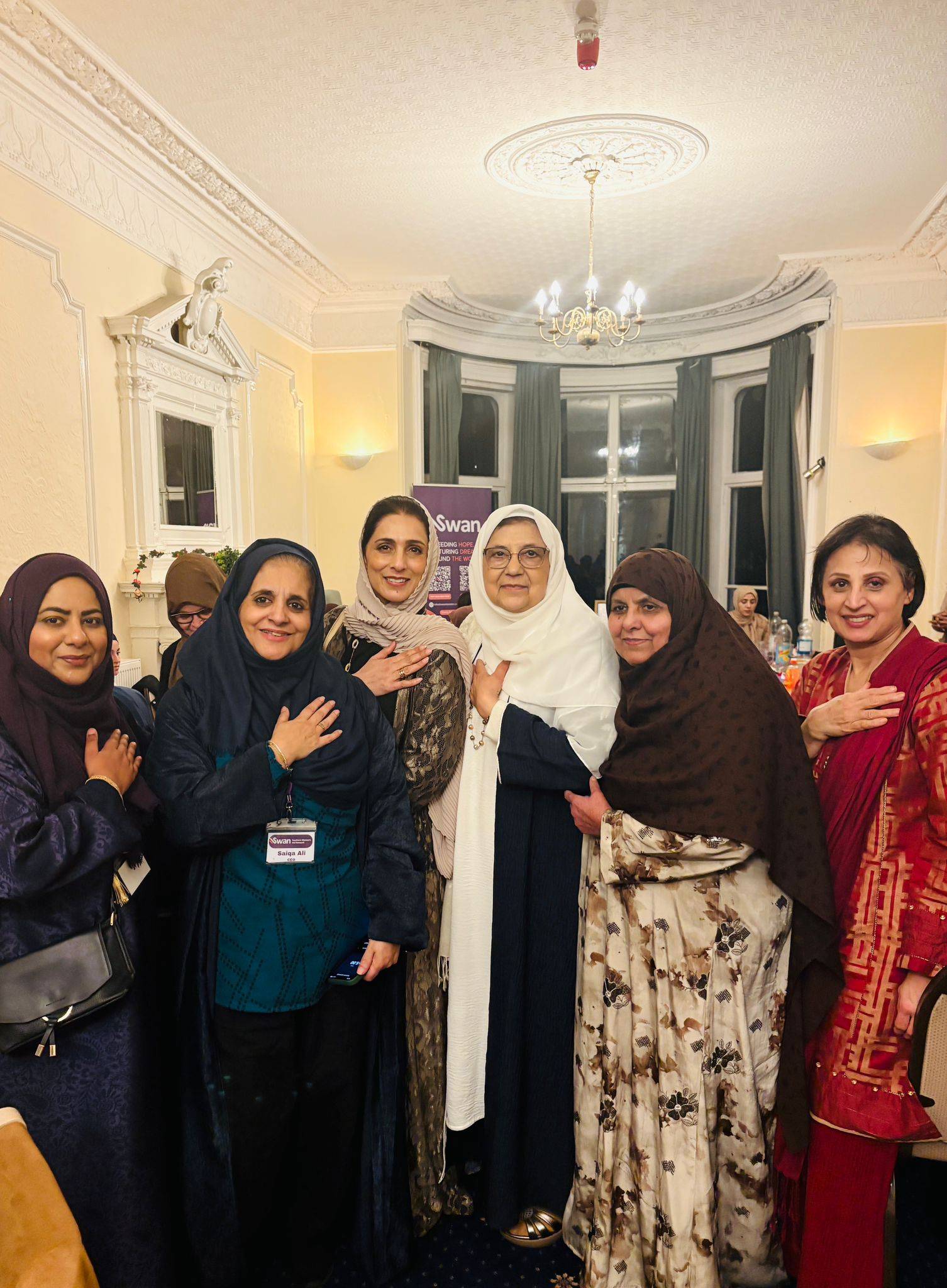
Today SWAN works far beyond South London, but I never want us to lose that grassroots mentality. Larger organisations bring resources, infrastructure and expertise that can be incredibly valuable. Grassroots organisations bring something equally valuable: proximity. They are close enough to see things that others may miss and, more importantly, close enough to listen.
Localisation is also about power
The conversation about locally led aid is ultimately a conversation about power. Who decides what a community needs? Who controls the funding? Who designs the programme? Whose expertise is valued? Who gets to speak on behalf of the community, and who gets to tell the story afterwards?
If we genuinely believe in sustainable development, the people affected by humanitarian crises have to be participants in those decisions rather than simply recipients of whatever has been designed elsewhere.
That requires humility from those of us working in international development. We will not always know best, and I think good leadership includes being able to recognise when someone else does.
For SWAN, locally led humanitarian action is therefore more than a delivery model. It reflects how I believe humanitarian work should be conducted: responsibly, transparently and in genuine partnership with communities, while never losing sight of the dignity and agency of the people we are there to support.
Author note: Saiqa Hamid is the Founder and CEO of SWAN, a UK registered charity working across humanitarian relief, food security, education, women's empowerment and sustainable development.