Women are frequently described as being among the most vulnerable people during humanitarian crises, and there are very good reasons for that. Conflict, displacement, poverty and natural disasters can expose women and girls to increased risks of violence and exploitation, interrupted education, maternal health challenges and economic insecurity.
But when we talk about women only in terms of vulnerability, we tell only half the story.
In communities facing extraordinarily difficult circumstances, women are also holding families and communities together. They are finding food, caring for children and elderly relatives, creating informal support networks, teaching, working, volunteering, starting businesses and finding ways to keep everyday life functioning in situations that are anything but ordinary.
That is why I believe humanitarian organisations have to be careful about seeing women exclusively as people who need to be rescued or supported. Women are not simply beneficiaries of humanitarian assistance. They are also leaders, decision-makers and an essential part of the solution.
From beneficiary to decision-maker
Language matters because it influences the way we think about people. When we describe someone exclusively as a beneficiary, we can unintentionally create a relationship in which one side possesses the resources, expertise and decision-making power while the other simply receives whatever has been designed for them.
In my experience, programmes are stronger when the people affected by an issue participate in shaping the response. This is particularly important for women because they often understand things happening within households and communities that may not immediately be visible to an external organisation.
Their perspective can affect something as fundamental as where food is distributed, what time a service operates or whether a woman feels safe enough to access it. If women are absent from those conversations, we can design technically impressive programmes that simply do not work for the people they are intended to support.
Economic empowerment is about more than income
One area I have become particularly passionate about through SWAN is women's economic empowerment.
A livelihood intervention may look quite modest on paper. It might involve sewing, vocational skills, small enterprise support or access to equipment. But the impact can extend far beyond the money someone earns. Having an independent source of income can influence confidence, household decision-making, security and a woman's ability to make choices about her own future.
This can be particularly significant for widows and female-headed households who may already be dealing with bereavement or displacement while carrying responsibility for supporting their families.
Emergency assistance can help someone survive an immediate crisis, and we should never underestimate how important that is. But if circumstances allow, economic opportunity can begin to change what happens afterwards. I don't think humanitarian organisations should have to choose between relief and empowerment. Good programmes should understand the role of both.
Women understand women
There is also enormous value in women-led organisations working with women within communities. Some conversations happen differently when women feel they are speaking to somebody who understands their experiences.
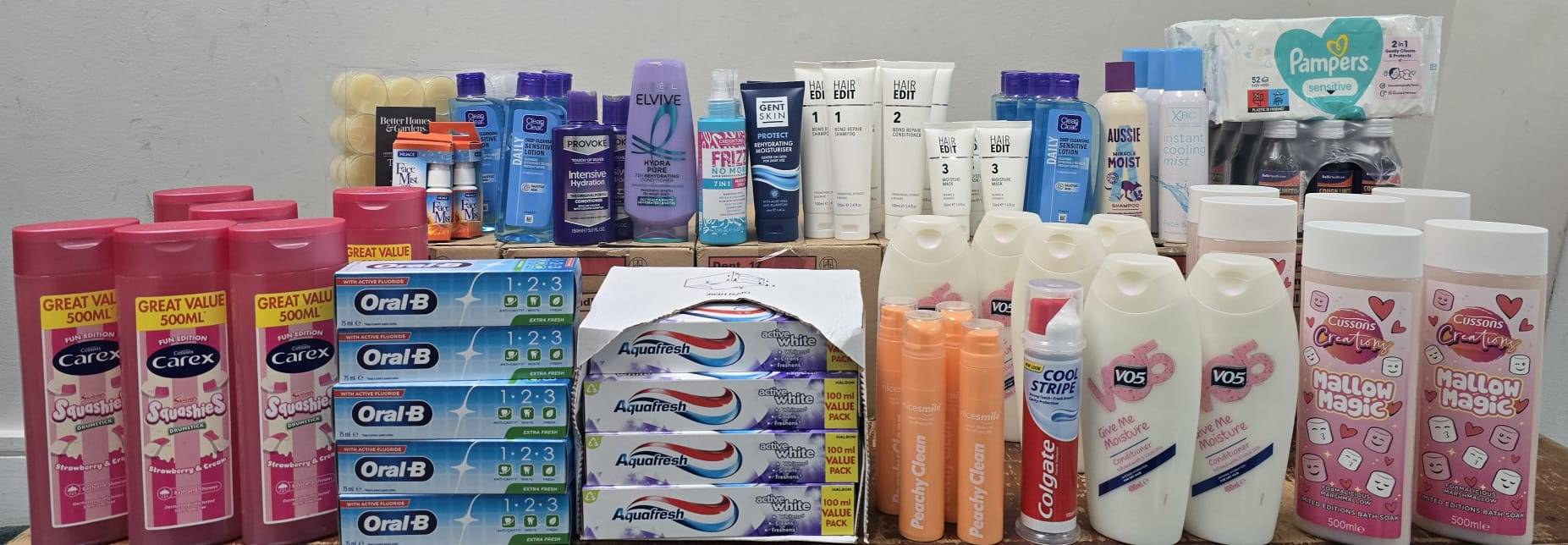
Issues involving domestic abuse, period poverty, maternal health, dignity, cultural expectations or family pressures require sensitivity and trust. A service can technically exist and still remain inaccessible if the women who need it do not feel comfortable using it.
This has influenced SWAN's work both in the UK and internationally. We have supported women experiencing domestic abuse, refugee women rebuilding their lives, women facing period poverty, widows and mothers experiencing economic hardship, as well as women seeking opportunities to develop sustainable livelihoods.
Their circumstances are very different and there is no single intervention that works for everyone. What should remain consistent is the way people are treated.
Women's leadership inside our organisations matters too
There is another part of this conversation that the charity sector needs to consider. If we believe women should have greater influence over humanitarian programmes within their communities, then we also have to examine women's leadership inside the organisations designing and funding those programmes.
Women bring significant professional expertise and lived experience into the charity and humanitarian sectors. Giving women a seat at the table is important, but representation alone is not enough. Women need opportunities to influence decisions, control resources, shape strategy and challenge established ways of doing things.
For me, meaningful inclusion is not simply about who is visible in a photograph or listed on a website. It is about who has the power to influence what happens next.
Listening has to come before designing
One of the principles I want SWAN to continue developing is very simple: listen first.
A programme can look excellent in a funding proposal and still fail if it doesn't reflect the reality of the community it is supposed to serve. This is one of the reasons our relationships with local partners matter so much. They can tell us things that we cannot see from London. They can tell us whether an idea is culturally appropriate, which women are being overlooked and whether the assumptions we have made actually reflect people's lives.
And sometimes they will tell us that we are wrong. I think humanitarian organisations have to be comfortable with that. Listening requires humility, particularly when you are the organisation holding the funding.
Women are more than what has happened to them
I would like to see us move beyond a humanitarian narrative in which women are principally portrayed through suffering. We absolutely have to acknowledge suffering where it exists, but we should be equally willing to recognise strength, knowledge, leadership and agency.
A woman who has survived conflict is more than a victim of conflict. A refugee woman is more than her displacement. A widow is more than her bereavement, and a woman experiencing poverty is more than her financial circumstances. Each woman has a life that existed before the crisis and ambitions that extend beyond it.
Our responsibility as humanitarian organisations should not be to define those futures for women. It should be to listen, remove barriers where we can, provide resources and opportunities where they are needed, and make sure women themselves have a meaningful role in deciding what comes next.
For me, that is much closer to what genuine empowerment should mean.
Author note: Saiqa Hamid is the Founder and CEO of SWAN, a UK registered charity working across humanitarian relief, food security, education, women's empowerment and sustainable development.